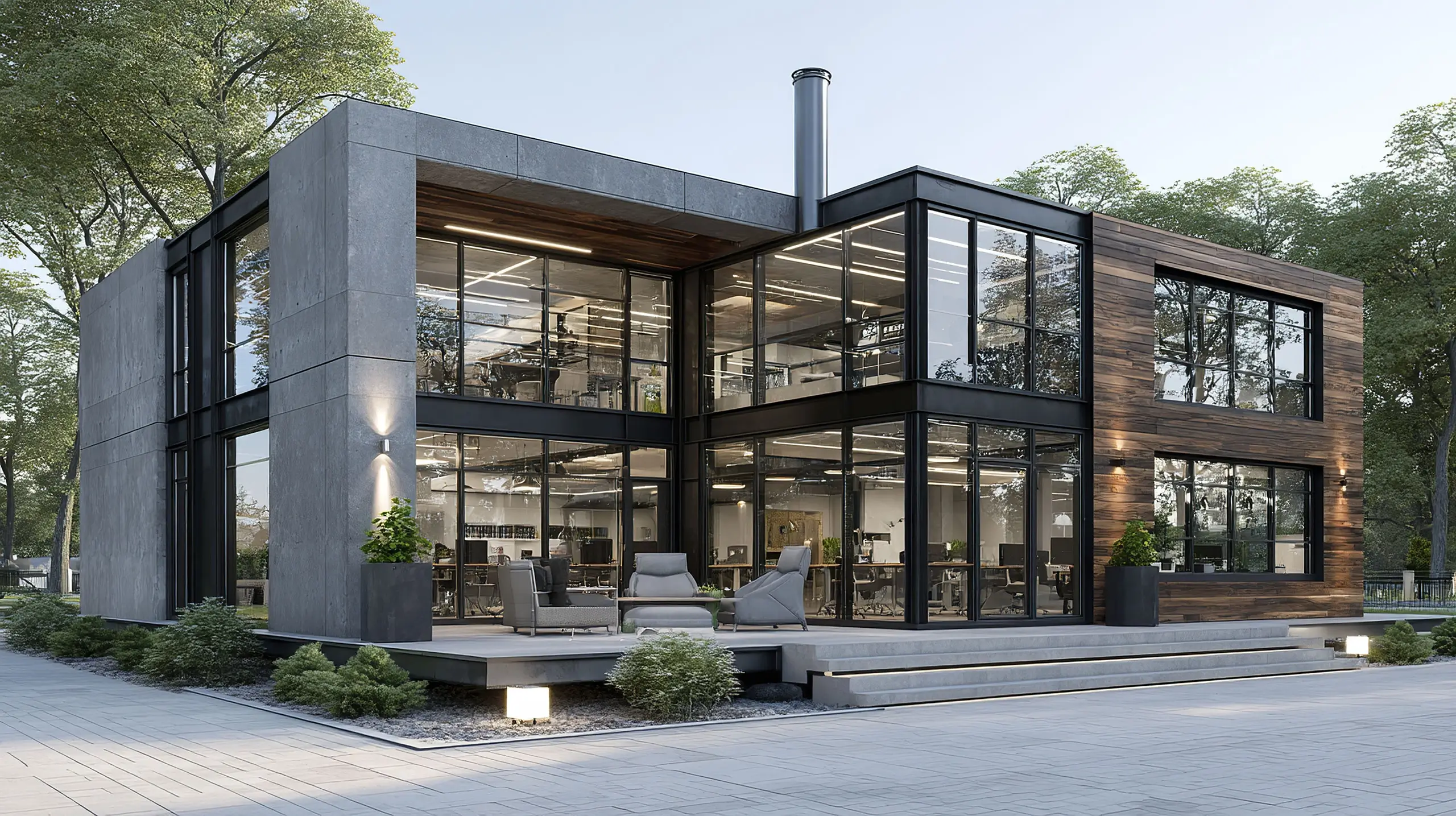
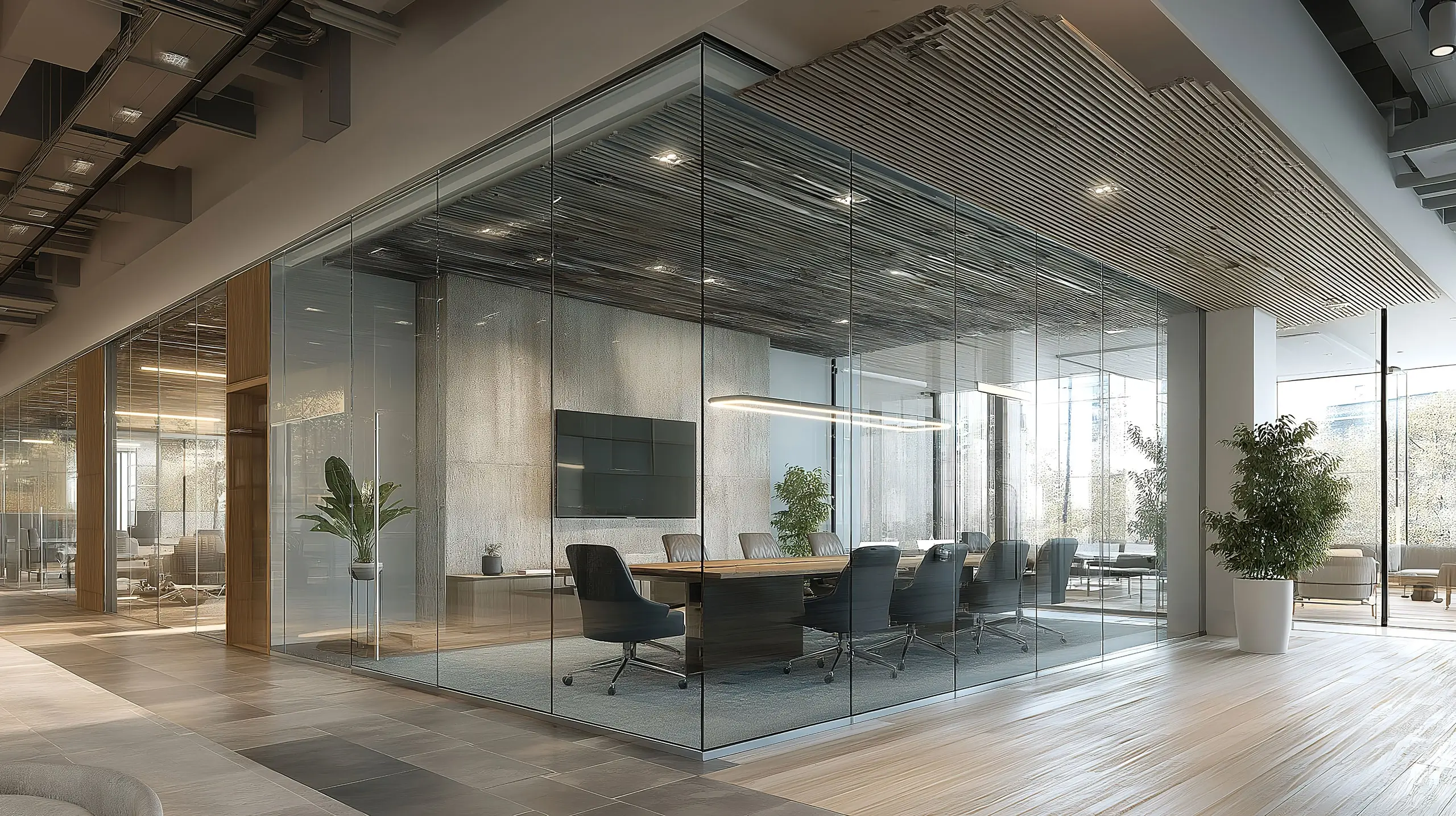
Thieves target storefront door glass because it’s often tempered and fails fast. A Riot Glass retrofit strengthens doors (and sidelights) with a clear, forced-entry–resistant barrier that deters, delays, or denies entry—without sacrificing visibility or natural light. For best results, layer protection: Riot Glass on doors/sidelights, security film on broad window areas, and shutters/grilles after hours, plus lock and frame reinforcement.
Smash-and-grab crews count on one thing: speed. If your storefront door glass can be defeated in seconds, your inventory (and your team’s safety) is at risk. A Riot Glass retrofit adds a clear, high-strength security barrier to your existing storefront door system—helping to deter, delay or deny forced entry while keeping your entryway and storefront bright, transparent, and customer-friendly.
- Best for: vape/smoke shops, jewelry stores, game stores, pharmacies, and any retail with valuable, easy-to-grab inventory
- Covers: why door glass is targeted, how Riot Glass retrofits work, and how to combine them with shutters + security film
- Next step: schedule a storefront security assessment to identify your weakest entry points
Want a clear plan for your door and side lite windows? Book a Storefront Security Assessment with STARMOR.
Why storefront doors get hit first in smash-and-grab crimes
Most smash-and-grab burglaries are not subtle. They’re loud, fast, and focused on the fastest way to get in and get out. Your front door is often the “easiest way in because:
- It’s usually made of tempered glass – required by code, which breaks easily into small pieces.
- It’s built for traffic flow, not security.
- When the glass cracks, intruders may be able to push through
- Many stores have strong locks but weak glazing—so attackers skip the lock and go straight through the glass.
If you can force an attacker to spend more time, create more noise, and increase the chance of being caught, you dramatically improve outcomes.
What is a Riot Glass Retrofit?

A Riot Glass retrofit is a step up from the more common security film protection. It’s a security glazing upgrade designed to strengthen vulnerable storefront glass – especially doors and sidelights – without turning your store into a bunker. It is designed to stop break-ins, not just delay them.
In simple terms:
- Your existing door glass is upgraded with a high-strength, clear security barrier (either polycarbonate or forced entry resistant glass secured with a proprietary mechanical framing system).
- The goal: resist heavy attack involving repeated impacts, stay in the frame, and deny easy access, especially when an attacker tries to smash their way through.
The biggest advantage: Unbreakable protection without “closing off” the store
Many high security upgrades reduce visibility and cheapen the look of your store (bars, heavy grilles, boarded windows). Riot Glass retrofits are built to keep:
- Visibility for staff and customers
- Natural light
- Professional storefront appearance
- Brand presence (people can still see in; you can still merchandise displays)
How to protect your storefront doors (step-by-step)
Step 1: Identify the real weak points (it’s rarely “just the glass”)
A proper assessment looks at the whole entryway, including:
- Door type (aluminum storefront, glass door, framed door)
- Glass type (tempered, laminated, insulated unit)
- Frame integrity (can it hold under force?)
- Lock/strike and hardware (will it fail even if glass holds?)
- Adjacent glass (sidelights, transoms) that can become the entry route
Key takeaway: If attackers can’t defeat the door glass, they often switch to the sidelights, especially if it’s large. Your security retrofit package plan should protect the whole opening.
Step 2: Protect the door glass (and any sidelight windows)
Protecting your doors with Riot Glass adds a robust security layer that:
- Withstands attack and Absorbs impact energy without shattering
- Resists “break-and-reach” attempts
- Doesn’t change the look of your door or entryway.
Many times, the best security upgrade for your store, and the highest ROI consists of:
- Riot Glass panels for the Entry doors and vulnerable sidelight windows
- Security window film on the other storefront display windows
Step 3: Reinforce locks and frames to protect against “Pry Attacks.
When criminals can’t get through the glass they sometimes:
- Pry at the door edge
- Attack the lock area
- Force the frame
Common upgrades paired with glazing:
- High security dead latch / latch guard
- Reinforced strike plate and fasteners
- Hinge reinforcement (for framed doors)
- Door closer/threshold adjustments so the door seats properly every time
Riot Glass vs. security window film vs. security shutters (what each does best)
Most retailers not only get the best result by combining and layering solutions, but it can also be used to tailor your security upgrade to the threat and your budget. Here’s the breakdown:
Riot Glass retrofits
Best for: high-impact resistance + maintaining visibility
Pros
- Strong forced-entry resistance (bullet resistant options available)
- Always-on, passive protection (even during business hours)
- Clear, covert and professional appearance
- Eliminates the need for board up
Cons
- Requires a higher investment than security film
- Requires proper frame/door compatibility
Security window film

Best for: delaying entry and protecting against glass hazards
Pros
- Lower investment needed
- Helps hold broken glass together to resist penetration and entry (slows “break-and-reach”)
- Fast to deploy to many windows
Cons
- Glass can still break; film mainly delays
- Performance depends heavily on correct installation and anchoring
- Determined attackers can still get through with time/tools
Security shutters / rolling grilles

Best for: after-hours deterrence and a physical barrier
Pros
- Strong visible deterrent
- Protects glass from impacts and vandalism
- Can be very effective for nightly lockdown
Cons
- Must be deployed consistently (human factor)
- Aesthetic/landlord restrictions possible
- Adds mechanical maintenance and operational steps
The synergy: how to combine them for maximum protection
If you want the strongest real-world outcome, think in layers:
Layer 1 (always-on): Riot Glass on doors and sidelight windows
This protects your most vulnerable and attacked entry point and does it without changing your storefront’s look.
Layer 2 (broad coverage): security film on large windows and secondary glass
Film helps delay entry attempts on windows you may not upgrade immediately with glazing.
Layer 3 (night security): shutters/grilles after hours
Shutters create a visible deterrent and make it harder to even reach the glazing.
What this does in the real world: it increases attack time, increases noise, increases frustration, and makes your location look like a high-effort target.

“Platinum / Gold / Bronze” Protection packages (determined by the threat and your budget)
Platinum Package (Highest Protection Level)
- Riot Glass retrofits across all vulnerable storefront glass (door and windows)
- Security shutters or grilles for after-hour protection
- High-security storage: safe/vault or reinforced stock room
- Optional controlled-entry for jewelry stores and other high-value stores (buzz-in / vestibule strategy)
Best for: Cash stores, Dispensaries, Jewelry stores and high-risk or repeat-target locations
Gold Protection Package (Better protection for most stores)
- Riot Glass retrofit on front door glass and sidelight windows
- Security film on remaining storefront windows
- Upgraded lock hardware + frame reinforcement
- Add interior secondary barrier when needed (locking display cabinets / security gate)
Best for: most vape/smoke shops and game stores; jewelry stores as a starter phase
Bronze Protection Package (Good Protection. Most Affordable Option)
- Security film on all accessible storefront glass
- Door hardware reinforcement (locks/strikes)
Best for: Retail stores, game stores, smoke shops in lower-risk areas, tight budgets
Storefront Security Assessment – What we look for
When Starmor surveys a storefront, we’re hunting for “easy wins” criminals exploit:
- Glass type and how it fails under impact
- Weak door and window frames that can be exploited
- Sidelights/transoms that give a faster entry route than the door
- Lock areas that can be pried even if glass holds
- Sight lines and camera blind spots
You’ll get a clear plan: what to fix first, what can wait, and what delivers the best security per dollar.
FAQs
Will Riot Glass make my storefront look “closed” or dark?
No—when properly specified, it’s designed to preserve visibility and daylight, unlike bars or boarded windows. The goal is security without making the store feel unwelcoming.
Should I upgrade the door or the display windows first?
Most smash-and-grab attacks start with the door glass or the closest sidelight. In many cases, upgrading the door opening first gives the best return.
Is window film “enough” by itself?
Film can be a strong first step because it adds delay, but it is typically most effective when paired with hardware upgrades, alarms, and (ideally) reinforced glazing at key points.
Do shutters replace Riot Glass?
Not really. Shutters are great after hours, but during business hours they’re usually open. Riot Glass provides always-on protection. When combined with security shutters they from a very tough multi-layered defense for your store.
How long does a retrofit take?
Typically, 1-2 days to complete the installation. It depends on the door system and scope (door only vs. door and sidelights vs. door sidelights and windows). We can complete most projects without interfering with normal operations.
Book a Storefront Security Assessment
If you want to reduce smash-and-grab risk without making your store look like a fortress, we’ll map the best path forward.
With a Starmor assessment, you get:
- A vulnerability review of doors, sidelites, and storefront glazing
- A clear Good / Better / Best recommendation by budget
- A plan that pairs Riot Glass retrofits, security film, and security shutters intelligently
Next step: Contact STARMOR to schedule your assessment and get a prioritized quote.